10 Benefits of Having An EFFECTIVE Personal Trainer 

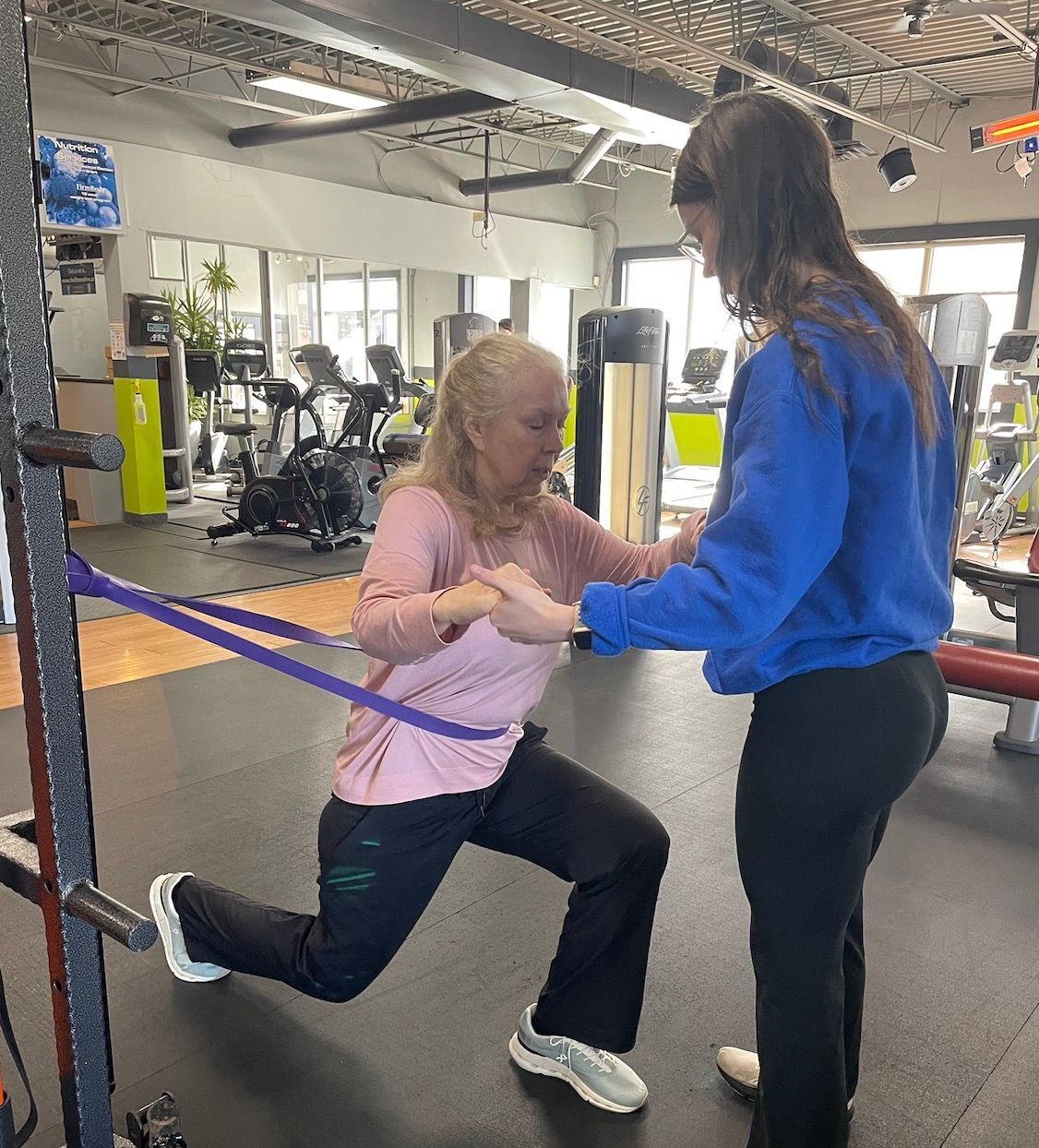
1. Can individualize training for each clients situation as no one body is the same, can take into consideration effects of medications on the individuals body.


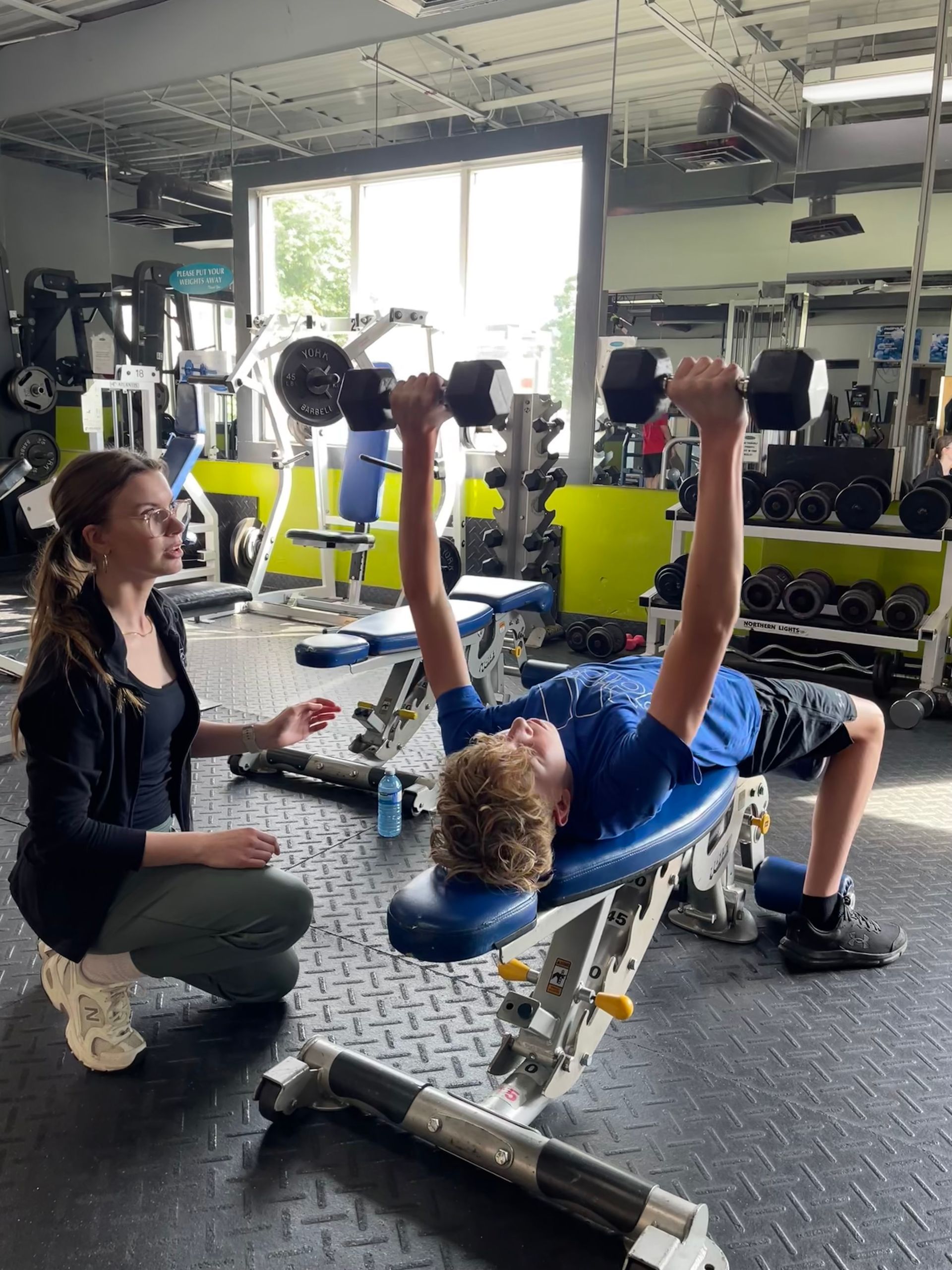
2. Increased knowledge of training & musculoskeletal anatomy for the club member, can cue client to change form depending on what muscles are trying to be worked.


3. Decreased risk of falls, decreased risk of injuries, decreased risk of cardiovascular disease and musculoskeletal related disorders.


4. Increases confidence, energy levels, mood, self esteem, metabolic rate, etc.  While decreasing blood pressure, resting heart rate, myofascial pain syndrome.


5. Support clients progress through a SMART goals model (Specific, Measurable, Achievable, Relevant and Time Bound) to help client achieve their goals in a timely period. Making sure that the trainer keeps accurate information and that way the client is as least likely as possible to plateau 


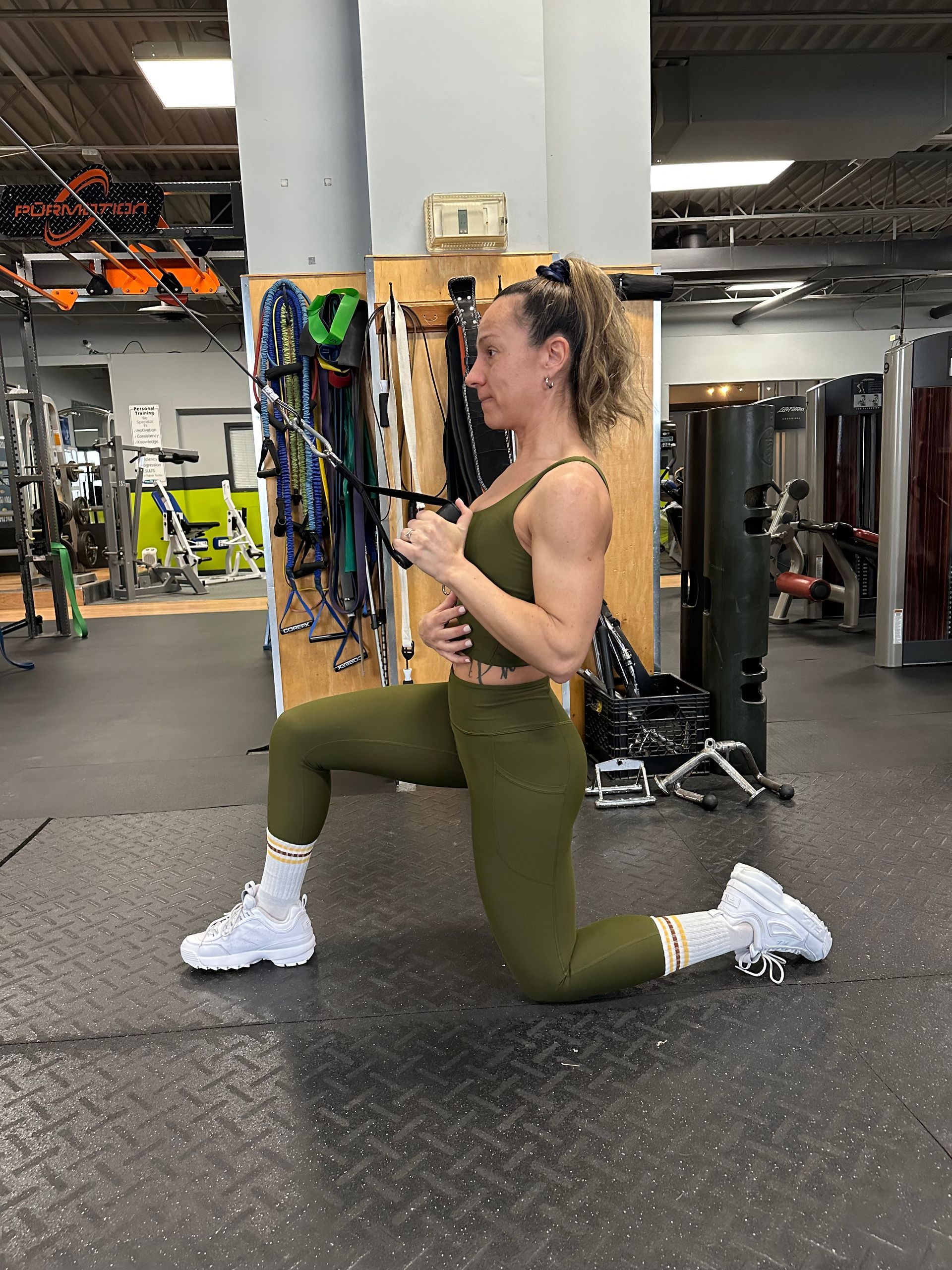
6. Isolating movements for specific muscles (e.g., calf raises with knee straight vs bent. One primarily targets gastrocnemius, while the other primarily targets soleus), With the anatomical knowledge personal trainers possess they can alter many exercises to change the emphasized muscles for growth, or to decrease stress on the surrounding joints, making lifting and moving easier for the body. 


7. You will get individualized programs tailored for your specific goals in mind.

Stuck on a short time crunch and want the best workout in the least amount of time? Your trainer can program high intensity interval training, or explosive plyometric exercises to maximize your results with minimal time in the gym.


8. You get not just a trainer but a friend who will motivate you and support you through your workouts, and even the hard times when life gets rough. After the COVID-19 Pandemic people are now feeling lonelier than ever. Not only is the gym a place to workout, it's also a social experience (IF you go to the RIGHT kind of gym), small, local owned, not from a huge franchise like planet fitness or L.A. Fitness and many others.


9. Can work to improve clients relationship with exercise, this is especially important for those who may have had negative childhood experience as well as those who have never had an opportunity to have that experience.


10. Is a friendly face in an environment that many people feel uncomfortable in, especially, if it is their first time at a gym not knowing the equipment, how to exercise correctly. And when you do this it can feel like all eyes are on you, even when they really aren't. But a personal trainer is there to keep you focused on your workout and your goals, keeping you on track from getting sidetracked and supporting you best we can. Fitness doesn't discriminate.


So how effective is personal training at getting people into the field of fitness, or change their mindset towards it?

A study from Steven R. McClaren, took 129 participants (aged 20-65) and each individual was given a personal trainer to work with over 9-10 weeks. Of the 129 clients that were tested, 27 were in the maintenance phase (the highest) and therefore could not move up. None of these clients moved down a stage throughout the experiment.


Of the remaining 102 clients there was significant upward movement at the conclusion of the program. 61 of the clients (60%) moved up one stage, 13 clients (13%) moved up two stages.
27 Clients stayed at the same stage (26%) and only single client moved down one stage (1%). The results from this study hereby suggest that one-on-one personal training is a great method for changing both mindsets toward physical fitness, and for improving the level of dedication to the exercise program for the client. 



November 4, 2025
How Strength Training is a Game-Changer for Youth Development
May 23, 2025
Resistance Training -> Reverse Bone Loss
August 3, 2024
Happy Wellness Month!
June 4, 2024
Fitness and your Mental Health
January 24, 2024
Resistance Training… Who Needs It?
By Kerri Sherk March 15, 2023
A word from Kerri, RD.
By Kerri Sherk September 20, 2022
ALL THE BREAD YOU KNEAD! KERRI SHERK'S, RD, BEST AND WORST KINDS OF BREAD
By Nicole Fazio August 25, 2022
DO'S AND DONT'S OF SELF DISCIPLINE
By Melody Giles December 14, 2021
See all of our Christmas Specials below - on now until Christmas eve! These are great as a gift to yourself or for a loved one. This holiday season, give the gift of fitness and good health !
By Nicole Fazio September 29, 2021
Are you struggling to stay consistent with your fitness and nutritional goals? Being consistent is crucial to making long term lifestyle changes, but it is one of the biggest challenges we all face. Here are 5 strategies to help you find consistency: 1. BE REALISTIC Change takes time . There is no fast way to make lifestyle changes, so it’s imperative to make goals that make sense for you. The more attainable and realistic the goal, the more likely the goal can be accomplished. When goals and milestones are accomplished, it gives you a sense of reward and enhances your self-efficacy (i.e., the belief that you can accomplish your goals). On the other hand, if the goal we have set in place for ourselves is too difficult, it may lead to demotivation and lower self-esteem. If you want sustainable and lasting results, being realistic is the first step. 2. HAVE CLEAR GOALS Not having clear goals is like driving to a new destination without a map. Goals are important in leading us in the right direction. Goals provide you with the motivation to push yourself to work towards chane. Implementing S.M.A.R.T goals is a good place to start. S - Specific M - Measurable A - Attainable R - Relevant T - Time-Bound When setting goals, make sure to include both short term and long term goals . Short term goals help with commitment and determination by allowing you to celebrate small wins more frequently that contribute to the bigger goal in place. Long term goals give you something to focus on and strive for in the bigger picture and help focus on where you want to be in relation to where you are now. For example, you decide that you want to “Lose 5 lbs in 6 weeks.” This goal is specific, measurable, attainable, relevant, and time-bound. However, this creates the need to make smaller goals to help you get there. Just doing what you are now, unchanged, will likely not get you to your goal. For instance, you might state that you will “Lose 5lb in 6 weeks” by incorporating 1-2 servings of vegetables into every meal, by limiting take-out meals to once per week, exercising for 45 minutes 3 times per week, and going for a 30-minute walk with your dog every day. If you achieve these smaller rules/goals, you’ll be well on your way to reaching the big one. 3. CREATE A ROUTINE AND HAVE A PLAN Fail to plan and plan to fail! Having a game plan for the week ahead will help adhere to your goals, as there is less opportunity for impulsive behaviours. This may mean planning out your workouts for the week, meal prepping, and making a grocery list of healthy and balanced foods. In regards to exercise, scheduling in your workouts, and knowing what you're doing when and where, will take the stress off not knowing what to do and "winging" a sub-par workout. In turn, you will be more likely to follow through until your goal is reached. Building on these habits will make it easier to stay consistent with your goals. Stay organized! In addition, it is always a good idea to have a plan ready in case you fall into relapse. The biggest fallback for people creating healthy habits is that once you miss a workout, you eat dessert when you know you shouldn’t have, or if life just gets in the way… You say “oh well” and keep venturing down the wrong path rather than steering yourself back onto the right one. Having a plan in place in case this happens is crucial for helping with motivation post-relapse. 4. ENJOY WHAT YOU'RE DOING It is much easier to be consistent with exercise and nutrition when you enjoy what you're doing and eating. Exercise will be less of an obligation and you will be more excited to get moving. If you’re feeling stuck doing something you don't enjoy, try something new! Whether it be a new exercise class (HIIT, Spin, Yoga, Pilates etc.), getting outside, or joining a club/team. Bottom line is, you cannot be consistent if you dislike what you're doing. In regards to nutrition, implementing foods you don't enjoy will be doing yourself a disservice. Incorporating a variety of foods and flavours you love that also align with your goals is important in having a healthy attitude about food and staying consistent with your nutritional habits. 5. TRACK YOUR PROGRESS Seeing progress in yourself fuels motivation . There are several ways to track your progress: Monitor body measurements How your clothes fit Scale weight or body fat % Lifting heavier weight or doing more reps Check blood pressure Progress pictures How fast you catch your breath after you lose it Activities of daily living get easier to complete Energy levels improve Sleep gets better Tracking progress is essential to staying consistent. People get addicted to seeing results, which creates more and more motivation. When results aren’t achieved, it creates a sense of self-doubt, which reduces motivation because why would you continue if you aren’t getting any better? Even though you definitely should continue because exercise has so many benefits for you beyond the physical changes (bone, heart, emotional, cognitive health, etc.), it is still encouraging to see results and know you’re doing well. Need help with staying consistent? We have a team of friendly and well-educated personal trainers and health practitioners here at The Firm. Our mission is to educate and motivate you into living your healthiest and happiest life - even if it is just to get you started on your fitness journey. We are here to help you.